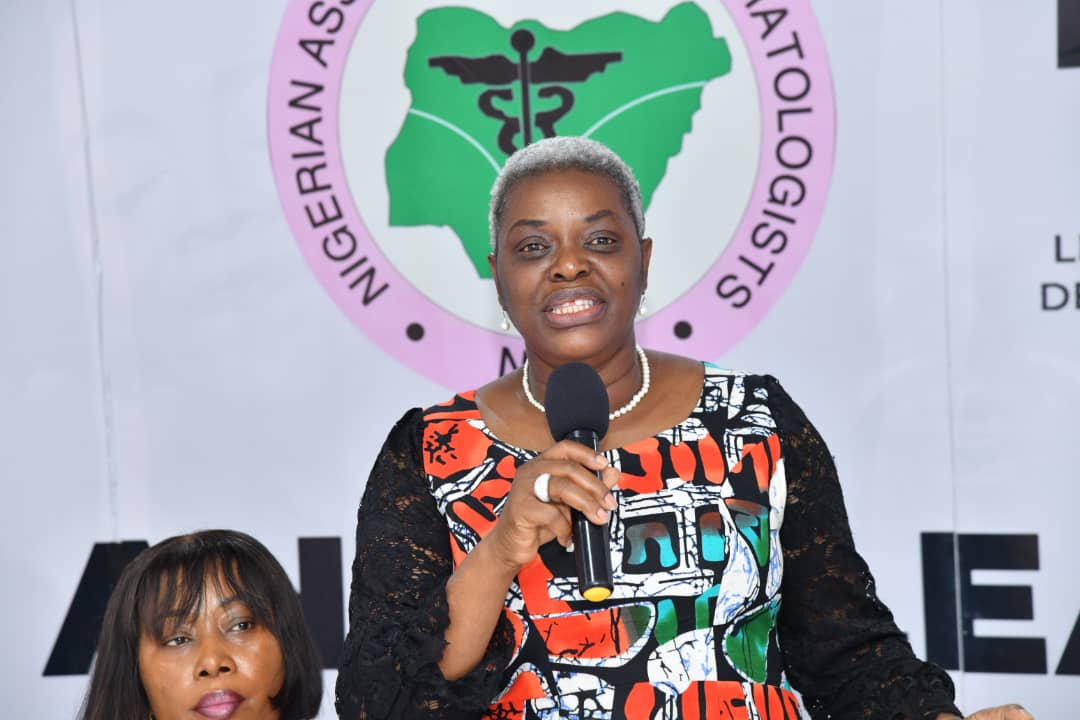
Nigerian Association of Dermatologists Launches Nationwide Anti-Bleaching Campaign at LUTH
The Nigerian Association of Dermatologists (NAD), in collaboration with Lagos University Teaching Hospital (LUTH), Eucerin and supported by key regulatory and health agencies, today launched a nationwide Anti-Skin Bleaching Campaign at the Lagos University Teaching Hospital (LUTH) Annex, Harvey Road, Yaba, Lagos. The campaign, themed “Nigerian Association of Dermatologists Says No to Skin Bleaching,” aims to address the alarming rise in skin-bleaching practices across the country.
Speaking at the event, President of the Nigerian Association of Dermatologists, Prof. Dasetima D. Altraide, described skin bleaching as a growing public-health crisis with severe medical and social consequences. He noted that skin bleaching, whether through topical creams, injections, tablets, or infusions, has become increasingly common, with prevalence rates in Nigeria ranging from 40% to 84%, the highest globally.


“Skin bleaching has complications that far outweigh any perceived benefit. We are seeing rising cases of skin cancer, fungal infections resistant to treatment, permanent skin damage, organ toxicity, and long-term immune compromise,” Prof. Altraide stated.
“Even more disturbing is the increasing involvement of children, including infants. Some expectant mothers now ingest substances to lighten their unborn babies. This trend must stop.”
Prof. Altraide commended NAFDAC for declaring a state of emergency on skin bleaching in 2023, and recognized the Federal Ministry of Health for its recent regulations guiding cosmetic and skin-care product use. He called on pharmacists, media professionals, and community leaders to join the campaign and halt the circulation and promotion of harmful bleaching agents.


Five other dermatologists addressed the press, reinforcing that skin bleaching, skin toning, skin glow, skin whitening, “brightening,” and similar terms all refer to the same harmful practice designed to alter natural skin tone.
Dr. Ehiaghe Anaba a dermatologist at Lagos State University College of Medicine (LASUCOM) emphasized the deceptive marketing of bleaching products disguised as organic creams, glow oils, or brightening lotions. She warned the public to avoid products with labels such as “fair,” “white,” “maintain,” “glow,” “brightening,” and creams sold without approved logos or mixed by unregulated vendors.


“Your natural skin color is best for you. Once your cream claims to lighten, brighten or glow, you are already bleaching,” she warned.
Dr. Anaba also charged the media to help “amplify the message that bleaching is harmful.” Dr. Evere Otrofenowei a consultant dermatologist at the Lagos University Teaching Hospital (LUTH) highlighted colorism, societal pressures, and misinformation as drivers of bleaching.
“Skin bleaching is not toning; it is not clarifying; it is not glowing. They are all frightening practices,” she said. She urged the media to help reshape public perception of dark skin:


“Dark skin is healthy, beautiful and strong. We need deliberate media action to stop glorifying lighter skin tones in adverts and pop culture.”
She warned that children are increasingly victims of bleaching due to parental decisions, misuse of “triple action” creams, or prescriptions copied by non-professionals.
Dr. Faiza Kibiya a consultant dermatologist at Aminu Kano Teaching Hospital advised Nigerians to avoid excessive skin-care products and emphasized hydration, healthy diet, stress reduction, sunscreen use and seeking certified dermatologists when in doubt.
“The less you disturb your skin, the healthier it remains,” she said.
Dr. Belema Abbey a consultant dermatologist at Rivers State University Teaching Hospital explained the physiological importance of melanin, the skin barrier, and the dangers of trying to alter skin tone.

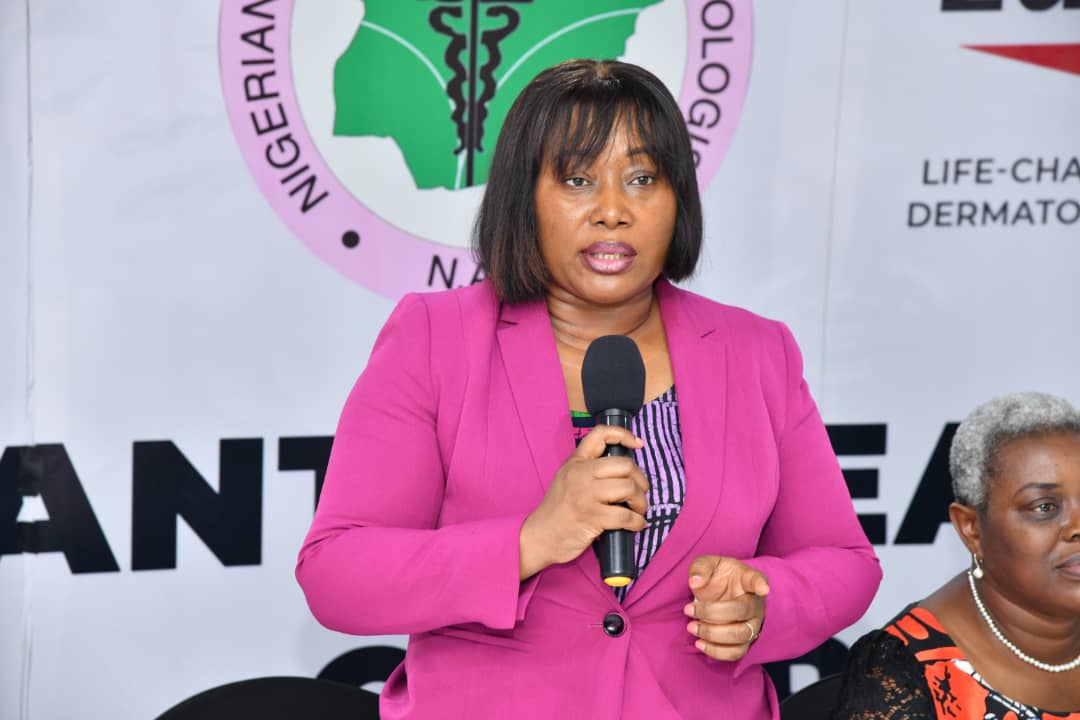
“Your skin protects your DNA, prevents infections, regulates water loss, and protects against UV damage. Bleaching destroys all these natural defenses,” she said.
She encouraged basic skincare, moisturizer, mild soap, sun protection, and seeking medical advice for actual skin problems rather than resorting to harmful lightening agents.
Dr. Olarinoye Gboyega, a consultant dermatologist FMC Keffi, Nasarawa State outlined internal and external complications from steroid-based and hydroquinone-based bleaching products, including diabetes, hypertension, liver failure, kidney damage, and irreversible skin thinning.
“If a cream makes you lighter in a few days, be worried. Something harmful is in it,” he cautioned.
At the close of the event, Dr. Anaba urged the public and the media to amplify the campaign’s message, emphasizing that skin bleaching is dangerous and must be discouraged. She encouraged Nigerians to appreciate their natural skin tone and prioritise skin health, calling on everyone to embrace their complexion and say no to skin bleaching


The Nigerian Association of Dermatologists, in collaboration with the Lagos University Teaching Hospital (LUTH), and Eucerin reaffirmed its commitment to sustained nationwide advocacy through public education, community outreach, targeted enlightenment programs, and strengthened regulatory partnerships aimed at protecting Nigerians from the growing dangers of skin bleaching.