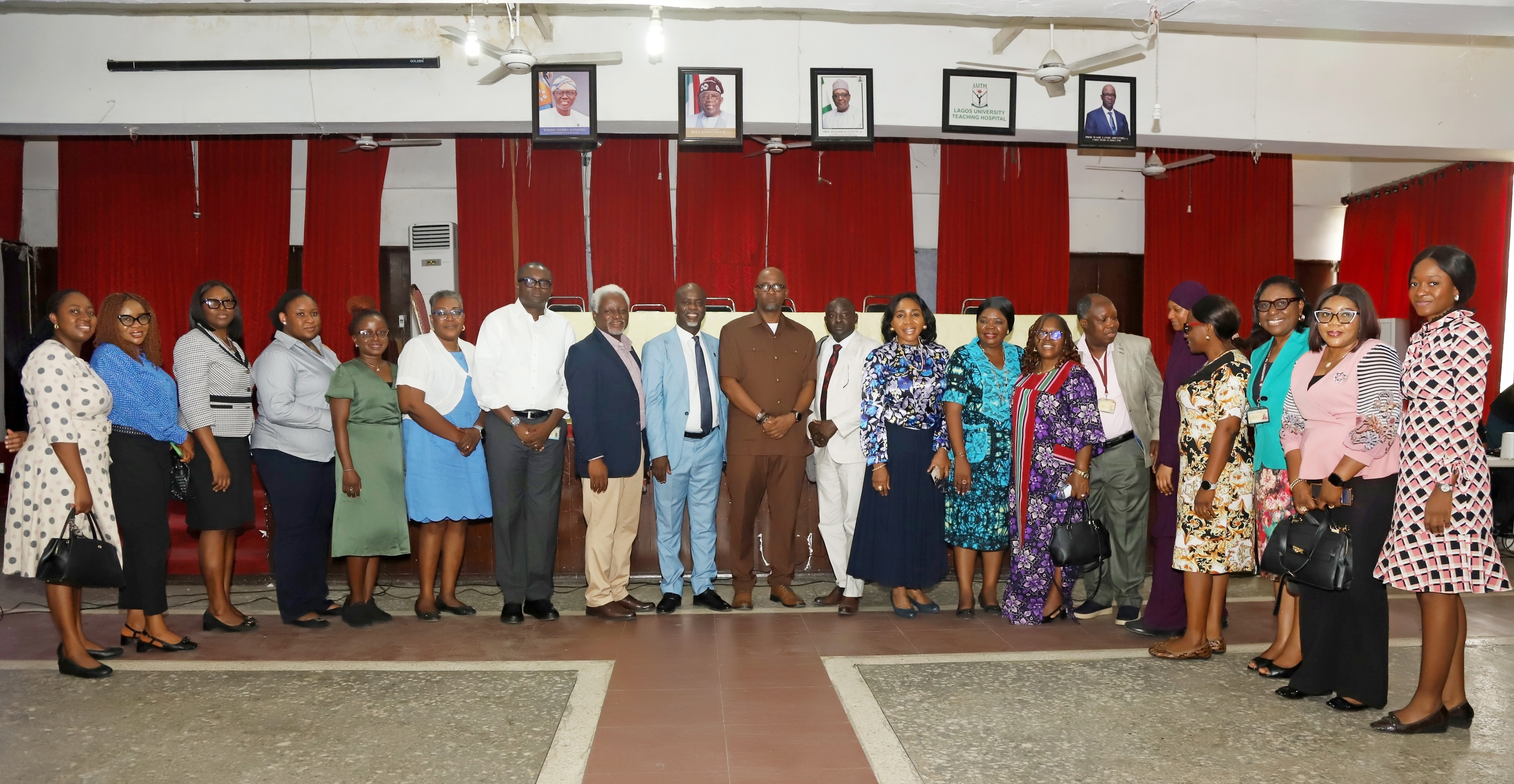
LUTH reaffirmed its leadership in sickle cell care at a Grand Round themed “From Birth to Brilliance.”
The session brought together experts from clinical, and social care disciplines to examine sickle cell disease across the life course, from genetics and newborn screening to disease modification, curative options and the often-overlooked psychosocial burden of the condition.
Delivering the opening presentation on genetics and neonatal diagnosis, Dr. Olaolu Moronkola highlighted that sickle cell disease remains one of the most common inherited blood disorders globally, with Nigeria bearing the highest burden. She noted that despite being caused by a single gene mutation, SCD continues to contribute significantly to childhood morbidity and mortality, largely due to delayed diagnosis and fragmented care systems.
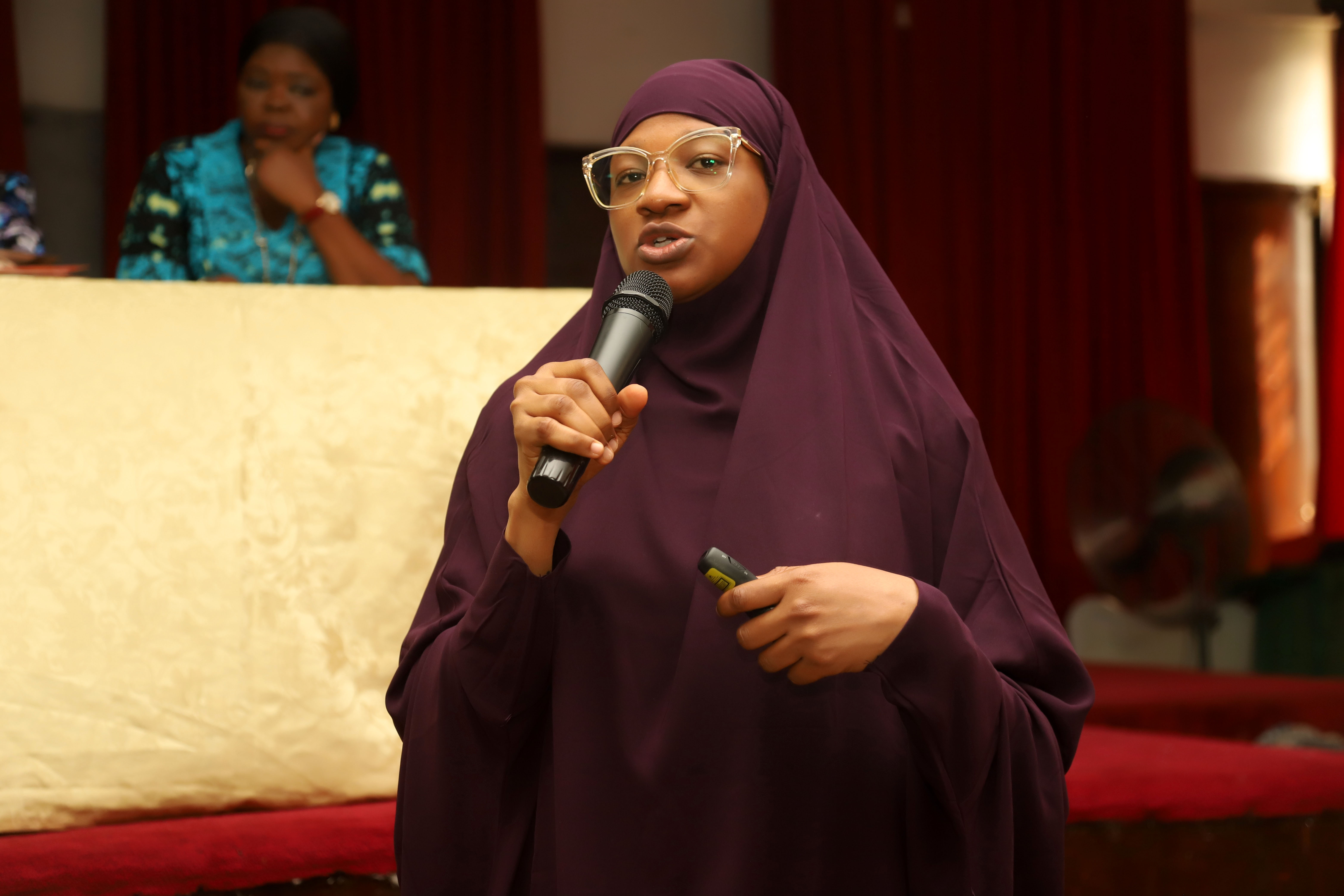

Dr. Moronkola explained that the “From Birth to Brilliance” framework reframes sickle cell care from a reactive, crisis-driven model to a life-course approach that prioritises early detection, prevention, coordinated care and long-term wellbeing. She stressed that early diagnosis through newborn screening is critical, as clinical symptoms often emerge between three and six months of life when protective fetal haemoglobin levels decline.
She reviewed neonatal diagnostic methods, including cord blood testing at birth and heel-prick sampling within the first week of life, identifying High-Performance Liquid Chromatography as the diagnostic gold standard. She cautioned against reliance on point-of-care solubility tests for definitive diagnosis. According to her, early diagnosis must be followed by prompt clinical engagement, including parental counselling, initiation of penicillin prophylaxis, immunisation and enrolment into comprehensive care programmes.
Speaking on disease variability and clinical outcomes, Dr. Olaide Elemo, Senior Registrar in the Department of Paediatrics, emphasized that sickle cell disease is not a uniform condition. Although genetically defined, it presents with highly variable clinical phenotypes influenced by genetic modifiers such as fetal haemoglobin levels, as well as environmental factors including climate, access to healthcare and use of disease-modifying therapies.

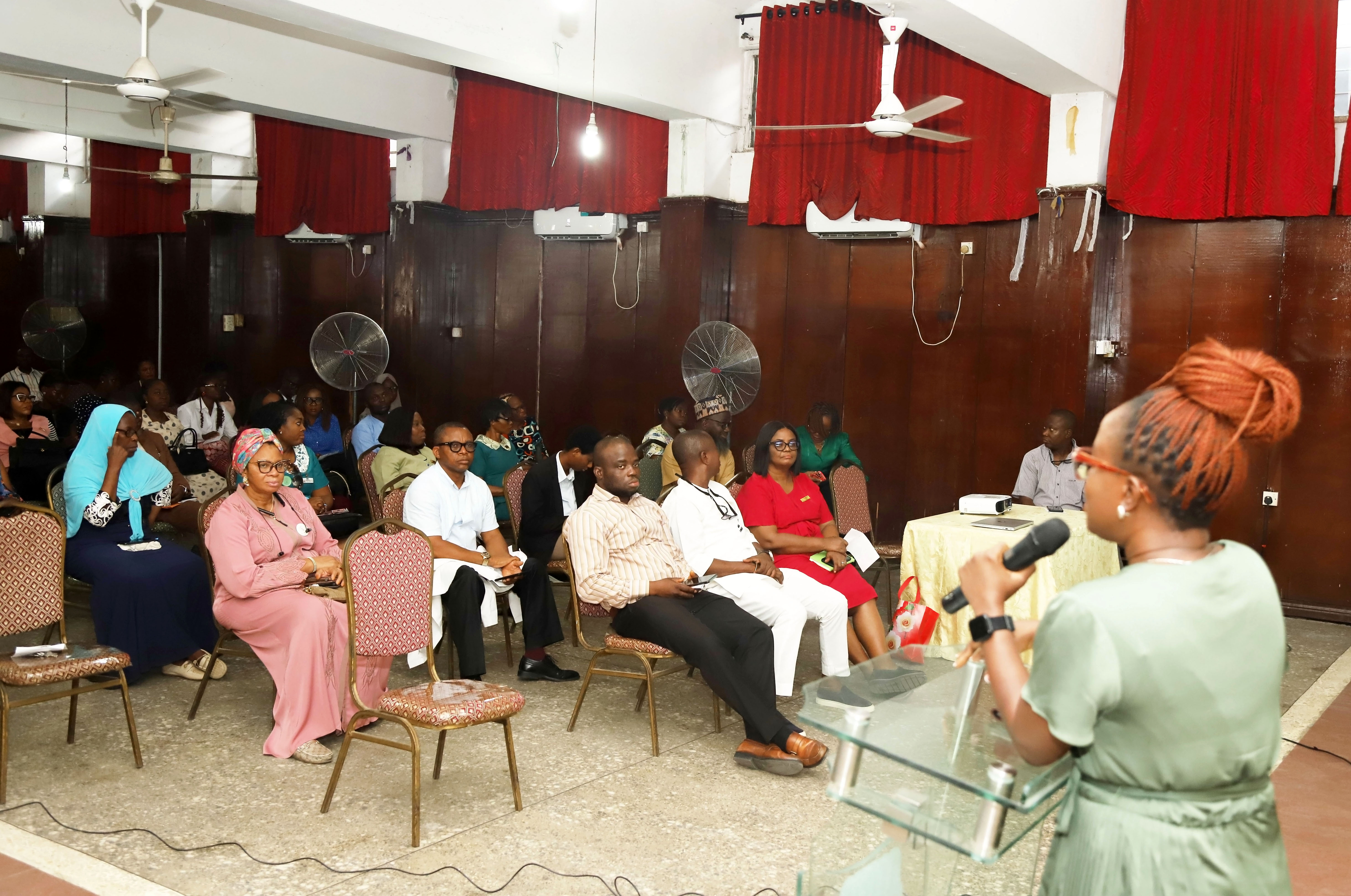
Dr. Elemo reviewed the pathophysiology of SCD and its progression to acute complications such as painful crises and stroke, alongside chronic multisystem organ damage that becomes more apparent as life expectancy improves. She underscored the importance of early intervention and sustained comprehensive care in reducing morbidity.
She also highlighted LUTH’s capacity in sickle cell care through the Paediatric Haematology and Oncology Unit, which provides early hydroxyurea therapy, routine transcranial Doppler screening, chronic exchange blood transfusion services and access to bone marrow transplantation in collaboration with the Sickle Cell Foundation Nigeria. The outpatient clinic currently attends to approximately 45 to 50 children living with sickle cell disease weekly, with about 100 admissions recorded in the last year alone. During this period, over 60 exchange blood transfusions were successfully performed.
On disease modification and curative therapies, Dr. Akinseye Akinsete presented on the theme “Curative Narrative: Disease Modification and Cure.” He noted that while curative options exist, most people living with sickle cell disease in low- and middle-income countries may not be able to afford them, making disease modification essential for the majority of patients.

He further discussed stem cell transplantation as a validated cure for sickle cell disease, currently offered at LUTH to carefully selected patients with severe disease manifestations such as stroke, recurrent hospitalisations and transfusion dependence. Emerging gene therapy approaches were also discussed, although their high cost and limited availability currently restrict widespread use.
Addressing the social and psychosocial dimensions of sickle cell disease, Ms. Titi Tade, Director of Social Work at LUTH, delivered a presentation titled “Social Narrative: The Silent Iceberg.” She explained that the visible clinical features of sickle cell disease represent only a small fraction of its total burden, with deeper social, emotional, cultural and economic challenges often remaining unspoken.


Ms. Tade highlighted parental guilt, anxiety and cultural interpretations of sickle cell disease, alongside financial strain and caregiver burden, as significant stressors affecting families. She noted that frequent illness and hospital admissions in childhood often strain family relationships, while adolescents and young adults face challenges related to identity, interrupted education, social exclusion and emotional fatigue.
She emphasized that effective sickle cell management must integrate medical care with social support, public education, genetic counselling and policy-driven prevention strategies. While curative therapies offer hope, she noted that social factors such as financial constraints, adherence challenges and limited support systems can significantly affect access and outcomes.
The Hospital Grand Round provided a platform for multidisciplinary engagement and reaffirmed Lagos University Teaching Hospital’s commitment to advancing early diagnosis, comprehensive care, research and innovation aimed at transforming sickle cell disease outcomes in Nigeria.